
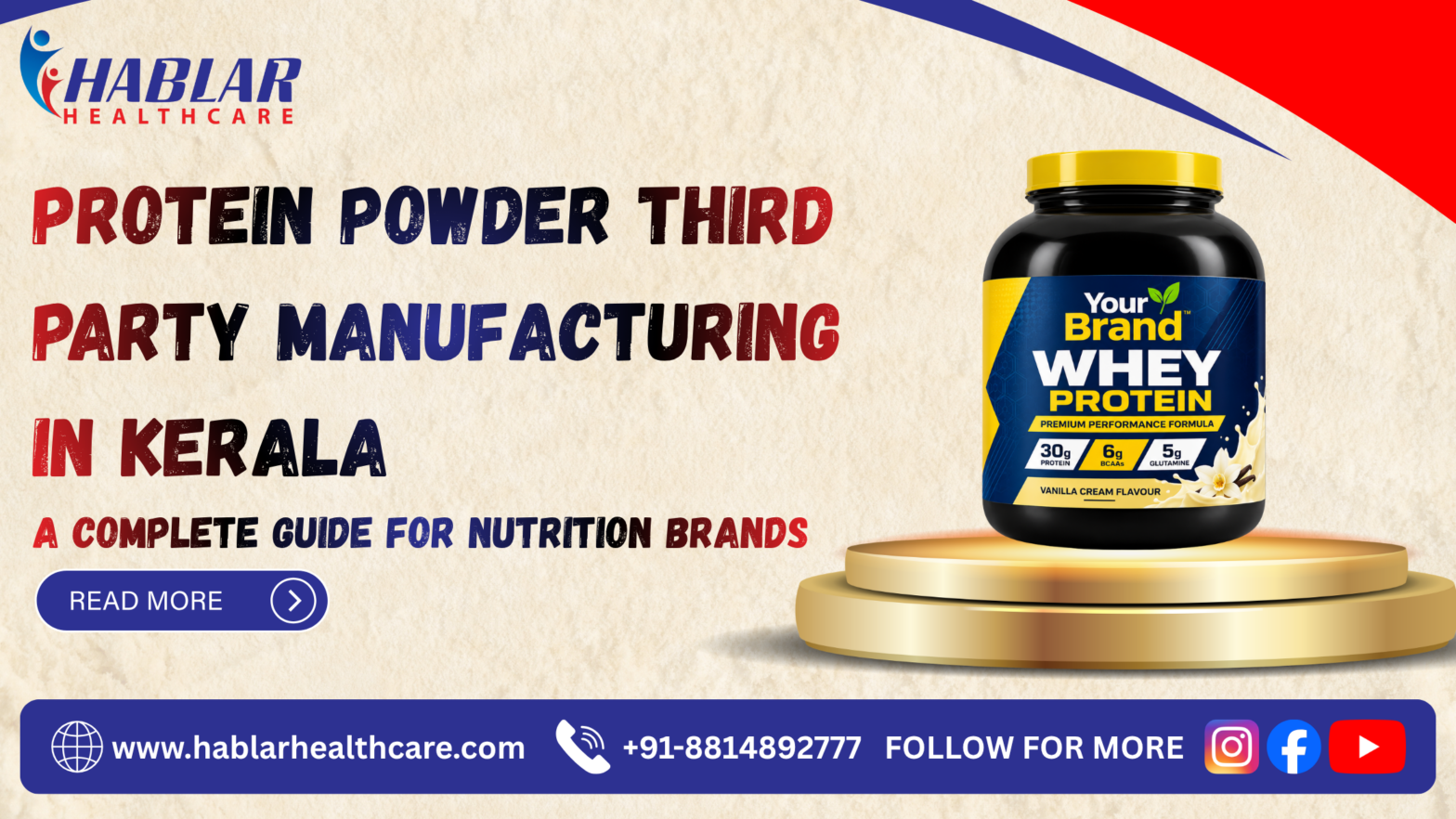
The nutritional supplement industry offers business opportunities for entrepreneurs, fitness supplement distributors, healthcare companies, and private-label brands looking to expand their product portfolios. For companies exploring protein powder third party manufacturing in Kerala, contract manufacturing can provide a practical way to develop a branded product while focusing on marketing, distribution, and customer relationships.
Protein powders have become an important category within sports nutrition and nutritional supplements, creating opportunities for businesses that want to introduce their own products without establishing a manufacturing facility.
Kerala has a diverse business landscape, with commercial centres such as Kochi, Thiruvananthapuram, Kozhikode, Thrissur, Kollam, Kottayam, and Kannur. Businesses serving these markets can explore protein supplement products for fitness retailers, gyms, online customers, nutrition outlets, and other suitable distribution channels.
However, launching a successful protein powder brand involves more than choosing a product and printing a label. Formulation quality, ingredient sourcing, packaging, regulatory compliance, pricing, and market positioning all influence the long-term potential of a brand.
Hablar Healthcare can be approached to discuss private-label and third-party manufacturing requirements for nutritional powder products, subject to confirmation of the specific product category and available manufacturing services.
This guide explains how protein powder contract manufacturing works, which products businesses can consider, how to evaluate a manufacturer, and what to understand before launching a protein supplement brand in Kerala.
What Is Protein Powder Third Party Manufacturing?
Protein powder third party manufacturing is a business arrangement in which a brand owner partners with a suitable manufacturer to produce products under an agreed brand name.
Instead of investing in production machinery, blending equipment, packaging systems, quality-control facilities, and manufacturing infrastructure, the brand owner outsources the agreed production activities to a manufacturing partner.
Depending on the manufacturer’s capabilities and the commercial agreement, the process may include:
- Selection of the protein powder category.
- Formulation development or selection of an existing formula.
- Ingredient sourcing and specification review.
- Flavour selection and product evaluation.
- Packaging selection and private-label artwork coordination.
- Manufacturing, filling, sealing, and batch coding.
- Quality checks and product-release documentation.
- Dispatch and supply coordination.
This business model can be suitable for startups, established supplement brands, distributors, and healthcare companies that want to introduce nutritional powder products without operating their own manufacturing plant.
The exact responsibilities of the brand owner and manufacturer should be defined in writing before production begins.
Why Is Protein Powder Contract Manufacturing Relevant for Businesses in Kerala?
Businesses in Kerala can explore protein supplement opportunities through retail stores, fitness centres, online platforms, and established distribution networks. Third-party manufacturing allows these businesses to evaluate a product launch without first making the capital investment required for an independent manufacturing unit.
1. Lower Investment in Manufacturing Infrastructure
Setting up a production facility requires investment in equipment, suitable premises, trained employees, raw materials, utilities, quality-control systems, and regulatory compliance.
Working with a third-party pharma manufacturer can reduce the need for this infrastructure investment. Businesses can instead allocate resources to brand development, sales, distribution, and customer acquisition.
2. Opportunities for Private-Label Branding
Private-label manufacturing allows eligible businesses to develop products under their own brand identity.
Brand owners can discuss product names, label designs, packaging formats, flavour preferences, and other specifications with the manufacturer, subject to technical feasibility and applicable regulations.
3. Access to Different Protein Categories
Depending on the manufacturer’s capabilities, businesses may consider whey protein, plant-based protein, soy protein, blended protein powders, and other suitable nutritional powder products.
Having a clearly defined target audience helps determine which category is appropriate for the proposed brand.
4. Flexible Business Planning
Businesses can compare available formulations, minimum order quantities, packaging options, and commercial terms before deciding on a launch plan.
It is important to confirm actual production capacity, minimum quantities, and delivery schedules rather than assuming that every manufacturer offers the same flexibility.
5. Wider Market Reach
A business based in Kochi or Thiruvananthapuram can build a distribution network across Kerala and potentially serve customers in other states through appropriate retail, wholesale, and online channels.
A well-planned manufacturing arrangement can help the business concentrate on expanding this network while its manufacturing partner handles the activities covered by the agreement.
Types of Protein Powder Products for Private-Label Manufacturing
Before contacting a protein powder manufacturer, identify the product category that best fits your intended customers, price range, and business model.
1. Whey Protein Powder
Whey protein is derived from milk and is widely used in sports nutrition products. Depending on the available manufacturing options, businesses may explore whey protein concentrate, whey protein isolate, or blends containing suitable whey ingredients.
Important formulation considerations include:
- Protein content per serving.
- Ingredient quality and specifications.
- Flavour and sweetness.
- Solubility and texture.
- Allergen declarations.
- Nutritional information and product claims.
The final protein content and ingredient declarations should reflect the actual formulation and appropriate testing.
2. Plant-Based Protein Powder
Plant-based protein powders may use protein ingredients derived from sources such as peas, soy, or other suitable plants, depending on the formula and regulatory requirements.
This category may appeal to customers who prefer plant-derived ingredients or want alternatives to dairy-based protein products.
Brands should carefully review the ingredient list, nutritional profile, allergen information, and any vegan or other dietary claims before approving the label.
3. Soy Protein Powder
Soy protein is a plant-derived protein ingredient used in different nutritional formulations.
When developing a soy-based product, businesses should consider the intended nutritional profile, ingredient specifications, taste, texture, and declaration of soy as an allergen where applicable.
4. Blended Protein Powder
Blended protein powders combine two or more protein sources to achieve a desired nutritional profile or product characteristics.
The selection of ingredients should be based on the intended product specification, cost considerations, taste, and technical feasibility rather than marketing trends alone.
5. Mass Gainer Powder
Mass gainer products typically combine protein with carbohydrate sources and other permitted ingredients to provide more energy per serving than many conventional protein supplements.
Businesses interested in this category should evaluate the carbohydrate content, total calories, serving size, flavour, and product positioning carefully.
Mass gainers and high-protein supplements are not interchangeable categories, so the label and marketing should accurately communicate the product’s nutritional composition.
Protein Powder Third Party Manufacturing Services by Hablar Healthcare
Businesses searching for protein powder third party manufacturing in Kerala can approach Hablar Healthcare to discuss their product requirements and potential private-label arrangements.
Before proceeding, confirm the availability of the requested product category, manufacturing location, regulatory permissions, and scope of services directly with the company.
Product Selection and Formulation Planning
The first step is to establish a product brief. This should include the preferred protein source, target protein content, serving size, flavour, sweetener preferences, packaging format, and target selling price.
A technically suitable formulation should then be evaluated for ingredient compatibility, nutritional specifications, safety, and regulatory compliance.
Flavour and Sensory Development
Taste and texture can influence customer acceptance and repeat purchases. Depending on product feasibility, businesses may consider flavours such as chocolate, vanilla, strawberry, or other suitable options.
Product evaluation should consider sweetness, aftertaste, mixing behaviour, texture, and stability throughout the intended shelf life.
Private-Label Packaging Support
Packaging is important for product presentation, storage, transport, and consumer information.
Depending on the product and manufacturer, possible formats include plastic jars, tubs, pouches, and other suitable food-contact packaging.
The final packaging should provide appropriate protection against moisture and contamination and meet the applicable packaging requirements.
Manufacturing and Quality Documentation
Before approving production, request information about the manufacturer’s valid licences, manufacturing scope, quality-control procedures, raw-material specifications, and finished-product testing arrangements.
The documentation should match the actual product and the requirements agreed between the parties.
Commercial and Dispatch Coordination
A clear quotation should cover the product specification, order quantity, packaging configuration, testing requirements, applicable taxes, payment terms, estimated production schedule, and delivery arrangements.
Written confirmation of these details can help businesses plan inventory and avoid unexpected costs.
How to Start Your Own Protein Powder Brand in Kerala
Launching a protein supplement brand becomes easier when the project is divided into practical steps.
Step 1: Identify Your Target Market
Decide who you intend to serve. Your potential customers may include:
- Gym owners and fitness supplement retailers.
- Sports nutrition distributors.
- Online supplement businesses.
- Health and nutrition retail outlets.
- Existing healthcare and nutraceutical distributors.
Your audience will influence product positioning, packaging, pricing, and the distribution strategy.
Step 2: Research the Kerala Market
Study competing products, retail prices, package sizes, ingredient declarations, flavour options, and customer feedback.
Businesses can assess their target markets in Kochi, Thiruvananthapuram, Kozhikode, Thrissur, Kottayam, Kollam, and other commercial centres.
Avoid relying only on competitor prices. Consider product quality, distribution costs, retailer margins, customer preferences, and expected repeat purchases.
Step 3: Choose the Right Protein Product
Select a product that matches your intended customers and budget.
For example, a brand focused on sports nutrition may prioritise a whey protein product, while a brand serving customers seeking plant-derived ingredients may evaluate a suitable plant protein formulation.
The decision should be based on genuine demand, available formulations, and manufacturing feasibility.
Step 4: Finalise the Product Specification
Prepare a written specification covering the protein source, ingredients, nutritional profile, serving size, flavour, allergens, packaging, and expected shelf life.
Review the formulation against the applicable FSSAI requirements before approving it for production.
Step 5: Develop the Brand and Packaging
Choose a distinctive brand name and a professional packaging design. Ensure that the proposed brand name is appropriately cleared for use and that the label does not contain misleading statements.
Nutritional claims, ingredient descriptions, and other declarations must be accurate and compliant with the applicable rules.
Step 6: Compare Quotations and Manufacturing Terms
Request quotations from suitable manufacturers and compare more than the unit price.
Evaluate minimum order quantities, ingredient specifications, testing, packaging, production timelines, payment terms, and responsibility for regulatory documentation.
Step 7: Approve Quality Requirements Before Production
Agree on the finished-product specification, testing requirements, documentation, packaging standards, and batch-release procedure.
Only proceed to commercial production after the relevant technical, commercial, and regulatory requirements have been reviewed.
Step 8: Plan Distribution and Marketing
Build a distribution plan that identifies your target customers, sales channels, marketing budget, inventory requirements, and expected margins.
Use accurate product information and avoid unsupported claims about muscle growth, weight management, medical benefits, or athletic performance.
Quality and FSSAI Compliance in Protein Powder Manufacturing
Quality assurance should be a central part of selecting a protein powder manufacturing partner.
In India, the applicable regulatory category depends on the product’s ingredients, composition, intended use, and presentation. Certain products may fall under health supplements or nutraceuticals regulations, while other formulations may require assessment under a different food category.
Before selecting a manufacturer, consider the following checks:
1. Valid licensing: Verify the manufacturer’s FSSAI licence and confirm that its authorised activities cover the proposed product and manufacturing operation.
2. Ingredient specifications: Review supplier documentation, ingredient identity, quality specifications, and certificates of analysis where appropriate.
3. Protein content verification: Confirm that the declared protein values are supported by suitable formulation records and testing.
4. Microbiological testing: Establish testing requirements appropriate to the product, its ingredients, and applicable standards.
5. Contaminant assessment: Determine whether testing for heavy metals, adulterants, or other contaminants is required based on the product’s ingredients and risk profile.
6. Batch traceability: Check whether the manufacturer maintains batch identification, production records, and traceability procedures.
7. Packaging suitability: Ensure that packaging materials are suitable for food contact and provide adequate protection for the product.
8. Shelf-life justification: Confirm that the declared shelf life is supported by appropriate stability information and storage conditions.
9. Accurate labelling: Verify the applicable declarations, ingredient list, nutrition information, allergens, directions for use, and other mandatory particulars.
10. Responsible marketing: Ensure that the product’s claims are truthful, substantiated, and permitted under applicable food regulations.
FSSAI licensing alone does not guarantee that every formulation, claim, or label is compliant. The actual product and its proposed presentation must be assessed separately.
How Much Does Protein Powder Third Party Manufacturing Cost?
The cost of protein powder third party manufacturing in Kerala depends on the product specification and the services included in the order.
There is no single price that applies to every formulation.
Key cost factors include:
- Protein source: Different whey ingredients and plant proteins have different procurement costs.
- Protein concentration: The desired nutritional specification influences ingredient quantities and overall formula cost.
- Flavour and other ingredients: Flavouring ingredients, sweeteners, and other permitted components affect the formulation cost.
- Packaging: Jars, pouches, labels, scoops, seals, and outer cartons contribute to the final price.
- Order quantity: Manufacturing volume and minimum order requirements influence commercial terms.
- Testing: Laboratory testing and documentation may add to the project cost.
- Customisation: New formulation development or specialised packaging may increase the initial investment.
- Transportation and taxes: Delivery charges and applicable taxes should be included in the final calculation.
To obtain an accurate quotation, share the preferred product type, pack size, approximate quantity, packaging requirements, target price, and any specific formulation needs.
How to Choose the Right Protein Powder Manufacturer
A suitable manufacturing partner should offer more than an attractive quotation. The business relationship should support consistent quality, clear communication, and reliable production planning.
Before placing an order, evaluate these factors:
- Relevant licences and authorised manufacturing scope.
- Experience with the proposed product category.
- Ingredient sourcing and quality-control procedures.
- Formulation and packaging capabilities.
- Minimum order quantity and production capacity.
- Availability of appropriate testing and batch documentation.
- Clear payment, delivery, and complaint-handling terms.
- Transparent communication throughout the manufacturing process.
Ask for written confirmation of the agreed specifications and responsibilities. If possible, evaluate product samples and technical documents before committing to a commercial order.
The right manufacturing arrangement depends on your product requirements, budget, and business model—not simply the manufacturer’s location.
Business Opportunities for Protein Powder Brands in Kerala
Kerala-based businesses can explore several sales channels for nutritional powder products, depending on the product category and applicable commercial requirements.
Gym and Fitness Retailers
Fitness centres and supplement retailers may provide access to customers looking for sports nutrition products. Clear product information, reliable availability, and appropriate pricing can support retailer relationships.
Online Sales
E-commerce and direct-to-consumer channels can help brands reach customers throughout Kerala and other regions.
Online listings should clearly communicate the actual ingredients, nutrition information, allergens, pack size, and permitted product claims.
Wholesale and Distribution
Businesses can explore distribution partnerships with suitable wholesalers, retailers, and supplement outlets in Kochi, Kozhikode, Thiruvananthapuram, Thrissur, and other markets.
Before expanding, evaluate logistics, retailer margins, working capital, and expected demand.
Existing Healthcare and Nutraceutical Networks
Companies that already distribute suitable nutritional products may consider adding protein powders to their portfolio, subject to product suitability and the permissions required for their activities.
A gradual expansion strategy can help businesses assess demand before committing to larger production volumes.
Why Consider Hablar Healthcare for Your Protein Powder Project?
If you are planning to introduce a private-label protein powder brand, Hablar Healthcare can be approached to discuss your proposed product and manufacturing requirements.
When evaluating Hablar Healthcare or any prospective manufacturing partner, confirm the following points:
- Whether the desired protein powder category is available.
- Whether the proposed formulation can be manufactured within the required specifications.
- Which packaging formats and order quantities are supported.
- What quality documentation and testing arrangements are available.
- Which licensing and regulatory responsibilities apply.
- What the final quotation, production schedule, and delivery terms include.
These checks can help you make an informed decision before beginning commercial production.
Planning to launch a protein powder third party manufacturing in Kerala ? Prepare your product brief and discuss the formulation, packaging, quantity, and commercial requirements with Hablar Healthcare.
Conclusion
Protein powder third party manufacturing in Kerala offers a potential route for entrepreneurs, distributors, fitness businesses, and established nutrition companies that want to enter or expand within the protein supplement market.
The process starts with understanding your target customers and selecting a suitable product. It then involves formulation planning, manufacturer evaluation, quality checks, regulatory compliance, packaging, pricing, and distribution.
Choosing a manufacturing partner on the basis of documented capabilities, transparent commercial terms, and appropriate quality controls can help reduce avoidable business risks.
Hablar Healthcare can be contacted to discuss private-label nutritional powder requirements, subject to confirmation of the relevant manufacturing services and product specifications.
With a clearly defined product strategy and a well-planned distribution model, businesses can evaluate opportunities to develop and grow a protein supplement brand in Kerala.
Frequently Asked Questions (FAQs)
1. What is Protein Powder Third Party Manufacturing in Kerala ?
Protein powder third party manufacturing is an arrangement in which a brand works with a suitable manufacturer to produce protein powder under an agreed brand name. The brand owner generally focuses on marketing and distribution, while the manufacturer performs the production activities defined in the agreement.
2. Can I start my own protein powder brand in Kerala?
Yes, you can explore launching a private-label protein powder brand by selecting a suitable product, finalising its formulation and packaging, arranging manufacturing, and meeting the regulatory requirements applicable to your business and product.
3. Does Hablar Healthcare provide protein powder third party manufacturing in Kerala?
You can approach Hablar Healthcare to discuss your protein powder project, formulation requirements, packaging preferences, and commercial terms. Confirm the availability of the specific product category and manufacturing services directly with the company.
4. Which types of protein powder can be manufactured under a private label?
Depending on manufacturing capabilities and regulatory requirements, options may include whey protein concentrate, whey protein isolate, plant-based protein, soy protein, blended protein, and mass gainer formulations.
5. What is the minimum order quantity for protein powder manufacturing?
The minimum order quantity varies by manufacturer, product formulation, packaging format, ingredient availability, and production setup. Request a product-specific quotation before planning your initial order.
6. How much does protein powder third party manufacturing cost?
The cost depends on the protein source, ingredient quantities, protein concentration, flavour, packaging, order size, testing requirements, and transportation. A detailed quotation based on the agreed product specification is the best way to determine the actual cost.
7. Can I sell protein powder under my own brand name?
Private-label manufacturing can allow a business to sell products under an agreed brand name, subject to trademark considerations, applicable licensing and labelling requirements, and the responsibilities established in the manufacturing agreement.
8. Is FSSAI licensing required for protein powder products?
The applicable FSSAI licensing and regulatory requirements depend on the product category and the activities performed by each business. Manufacturers, marketers, and sellers should verify the licences and permissions applicable to their respective roles.
9. What documents should I request from a protein powder manufacturer?
Depending on the product and arrangement, request relevant licence details, ingredient specifications, certificates of analysis, finished-product test reports, batch documentation, product specifications, and compliant label artwork.
10. Can I order customised protein powder formulations?
Custom formulations may be possible if the manufacturer has the necessary technical capabilities and the proposed ingredients and formulation meet applicable requirements. Confirm feasibility, development costs, testing, and production quantities before approving the formula.